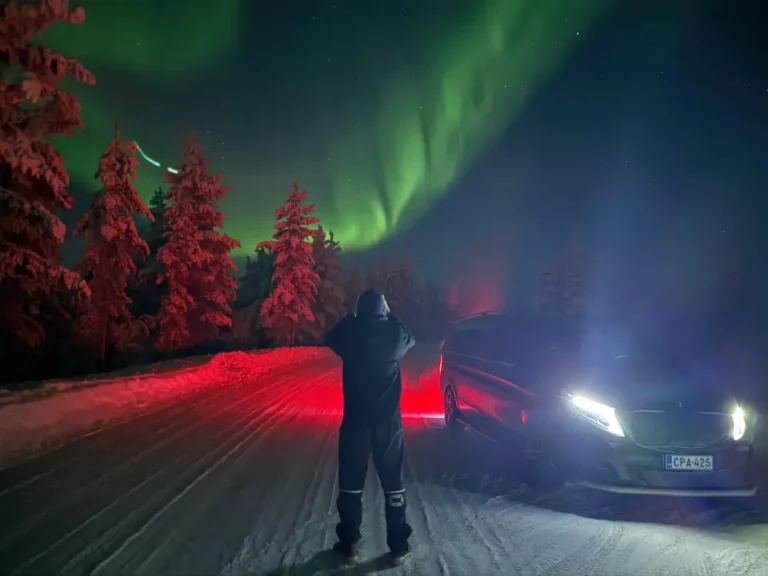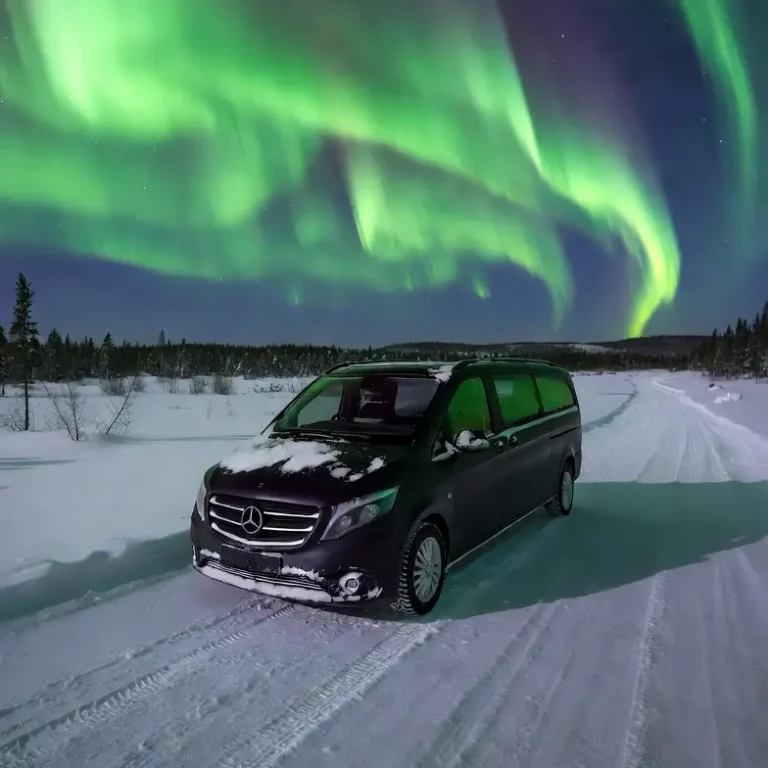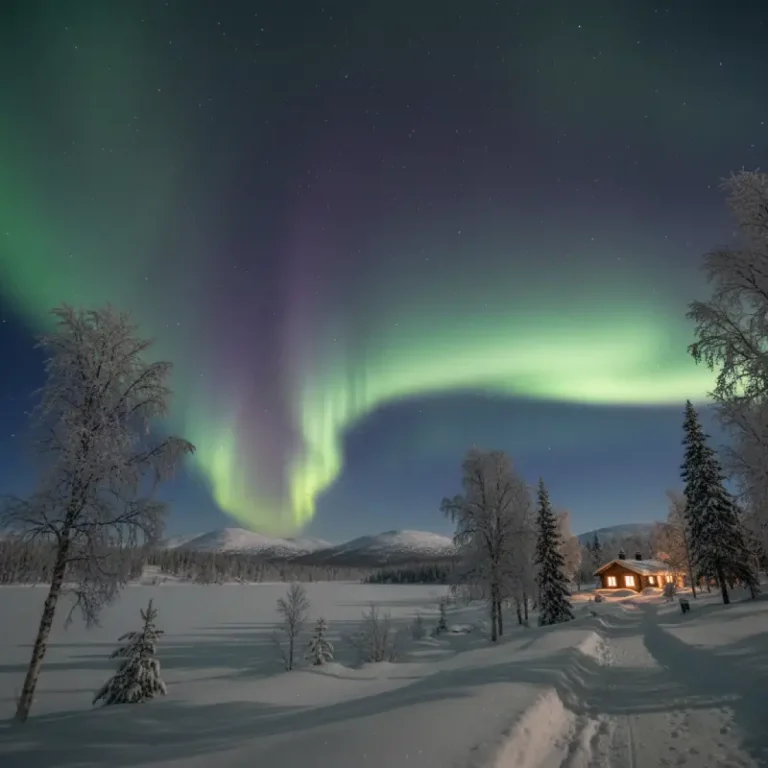
The Northern Lights, or Aurora Borealis, are undoubtedly one of nature’s most spectacular displays. For many, witnessing these dancing curtains of green, purple, and red is a once-in-a-lifetime “bucket list” experience. But seeing them isn’t just a matter of luck—it’s a combination of geography, timing, and science.
If you are planning a trip to the Arctic or simply want to understand how these lights work, here is everything you need to know about predicting and finding the Northern Lights.
Can You Actually Predict the Northern Lights?
Yes, but there are two different ways scientists approach it: statistical probability and real-time forecasting.
1. Statistical Predictions
Statistics are based on decades of observations. They tell us where the lights are likely to appear over the course of a year. For example, data from the Finnish Meteorological Institute shows that:
- In Northern Lapland (Kilpisjärvi-Utsjoki), the aurora illuminates the sky three out of four clear nights.
- In Northern Norway (e.g., Tromsø), you can see them almost every single clear night.
- Further South (e.g., Helsinki), the frequency drops significantly to about once a month.
2. Real-time Nowcasting
Short-term forecasts are based on “space weather.” Satellites and ground-based magnetometers monitor the sun’s activity and the Earth’s magnetic field. When these devices detect solar storms or particle deviations, experts can predict an aurora display within a few hours.
Where Do the Lights Occur Most Often?
The Northern Lights form a permanent “oval” band around the Earth’s geomagnetic poles. If you are within 2,500 km of these poles, your chances of seeing the aurora are nearly 100%.
The northern parts of Fennoscandia (Finland, Sweden, and Norway) are located directly within this maximum auroral zone. While the lights can spread further south toward Central Europe during massive solar storms, the Arctic remains the most reliable place for “aurora hunting.”
Timing: When Should You Look Up?
Even if the sun is active, you need the right conditions on Earth to see the show:
- The Best Months: September–October and February–March are considered peak seasons.
- The Best Hours: The most active period is usually between 9:00 PM and 1:00 AM local time.
- Darkness is Key: You cannot see the aurora during the summer months in the north because the nights are too bright (the Midnight Sun).
Are the Northern Lights Dangerous?
A common question from curious travelers is whether this phenomenon causes any harm. The answer is no! The Northern Lights are a completely harmless, natural light show. They don’t affect human health—they are simply a beautiful gift from nature for those living in or visiting the northern latitudes.
For more detailed scientific data and real-time space weather updates, visit the Finnish Meteorological Institute’s aurora page.”